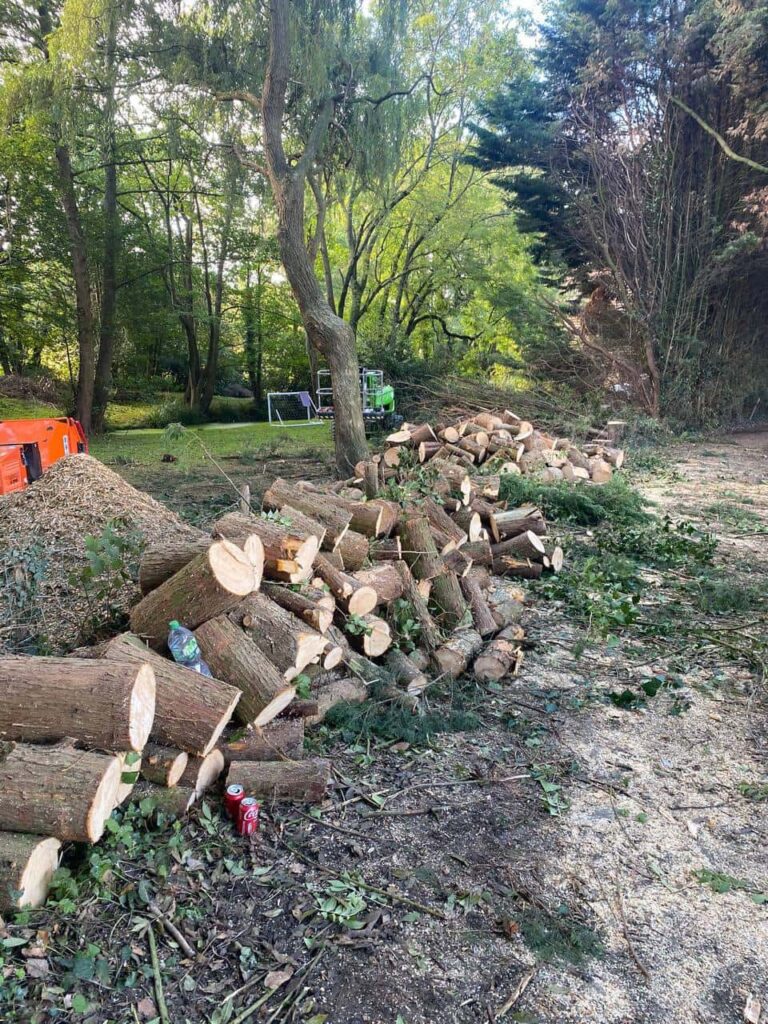
Tree felling in a residential garden requires more than deciding where a tree should come down. Before work begins, it is important to consider how tree surgeons, equipment and removed sections of the tree will be safely moved around the property. Restricted access, narrow pathways, fences and nearby buildings can all influence how the work is carried out.
Planning access in advance helps ensure that tree felling is organised, controlled and appropriate for the available space. For homeowners in Thetford, Norfolk, understanding the importance of access arrangements can help avoid unnecessary disruption and support a safer removal process.
Why Access Planning Matters Before Tree Felling
Every residential property has different access conditions. Some gardens have wide entrances and open working areas, while others can only be reached through narrow side passages or shared access points.
These restrictions can affect the equipment that can be used and the method of tree removal. A tree surgeon needs to establish how the work area can be reached, where equipment can be positioned and how branches and trunk sections will be removed.
Planning these details beforehand helps identify potential obstacles and allows the appropriate removal technique to be selected.
Assessing Garden Entrances and Narrow Access Routes
One of the first considerations is the route from the property’s entrance to the tree. Narrow gates, side passages, steps and changes in ground level may restrict the movement of machinery and equipment.
In some cases, larger equipment may not be suitable, meaning the tree must be dismantled using alternative methods. This can involve climbing and removing branches in manageable sections rather than bringing the entire tree down at once.
A site assessment helps establish the available access width, identify obstacles and determine whether any temporary arrangements are needed before work begins.
Choosing Suitable Equipment for the Available Space
Access conditions directly influence the type of equipment that can be used during residential tree felling.
Where there is sufficient space, specialist machinery may help with certain stages of the work. However, restricted gardens may require a more compact approach using climbing equipment, ropes and controlled lowering techniques.
The condition and position of the tree also affect equipment selection. For example, a tree with weak branches or structural damage may require a different approach from a healthy tree in an open garden.
Choosing equipment based on the actual site conditions helps avoid unsuitable working methods and unnecessary disturbance.
Protecting Driveways, Lawns and Garden Features
Moving equipment and handling heavy sections of timber can affect the surrounding garden if access routes are not considered carefully.
Driveways, patios, lawns, fences, sheds and planted areas may all need to be taken into account when planning the work. Identifying suitable routes and working positions helps reduce the risk of accidental damage.
Where necessary, protective ground coverings or other precautions can be considered to help protect vulnerable surfaces. Planning where branches and timber will be placed also helps keep the working area organised.
Planning the Removal of Branches and Trunk Sections
Removing a tree is only part of the process. The branches and timber sections must also be moved away from the work area safely and efficiently.
Where access is limited, large sections may not be practical to carry through narrow routes or around garden obstacles. Instead, branches may need to be cut into smaller manageable pieces, with trunk sections processed according to the available space.
A clear removal route helps prevent materials from obstructing pathways, entrances or other parts of the property.
Considering Nearby Buildings and Boundaries
Residential trees are often located close to houses, garages, conservatories, fences and neighbouring gardens. These surroundings can limit the space available for felling and affect how branches can be lowered.
Access planning helps the tree surgeon identify potential obstacles and decide where equipment, ropes and working positions should be placed.
Where there is insufficient room to fell a tree in one piece, sectional dismantling may be the most appropriate method. This involves removing the canopy and trunk in controlled stages, allowing each section to be managed carefully.
How Homeowners Can Prepare for Tree Felling
Homeowners can help make the process more straightforward by discussing access arrangements with their chosen tree surgeon before work begins.
Useful preparations may include:
- Identifying gates, pathways and other available access routes.
- Clearing movable garden furniture, plant pots and loose objects.
- Highlighting underground features or known obstacles.
- Discussing access to the rear garden if it is reached through the property.
- Identifying vulnerable surfaces and garden structures.
Sharing this information in advance allows the tree surgeon to plan the work around the property’s specific layout.
Professional Residential Tree Felling in Thetford, Norfolk
Careful access planning is an essential part of residential tree felling. It helps determine suitable equipment, removal techniques and working routes while reducing avoidable disruption to the surrounding garden.
Thetford Tree Surgeons provides professional tree surgery services in Thetford, Norfolk. Whether a tree is located in a confined garden or close to buildings and boundary features, a site assessment can help establish the most suitable approach to its removal.
Conclusion
Planning access before residential tree felling helps ensure that the work is organised around the property’s layout and any restrictions on available space. From choosing suitable equipment to protecting garden features and arranging timber removal, these considerations play an important role in the overall process.
If you are considering tree removal at your property in Thetford, Norfolk, contact Thetford Tree Surgeons to discuss your requirements and arrange professional advice.
Call us on: 01842 771 096
Click here to find out more about Thetford Tree Surgeons
Click here to complete our contact form and see how we can help with your tree needs.